 Jökulsárlón Glacier
Best Time to Visit Jokulsarlon, Month by Month
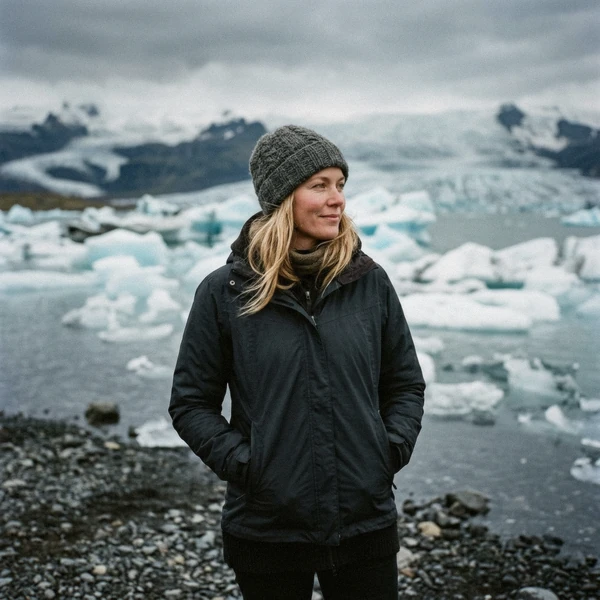
There is no single best time to visit jokulsarlon, because the lagoon sells two different products in two different halves of the year. Boats run May to November and stop dead in winter. Natural ice caves run about November to March and are impossible in summer. Glacier hikes are the only thing that runs all year. Pick the season by what you want to do, not by the weather forecast, because the weather here ignores the calendar anyway.
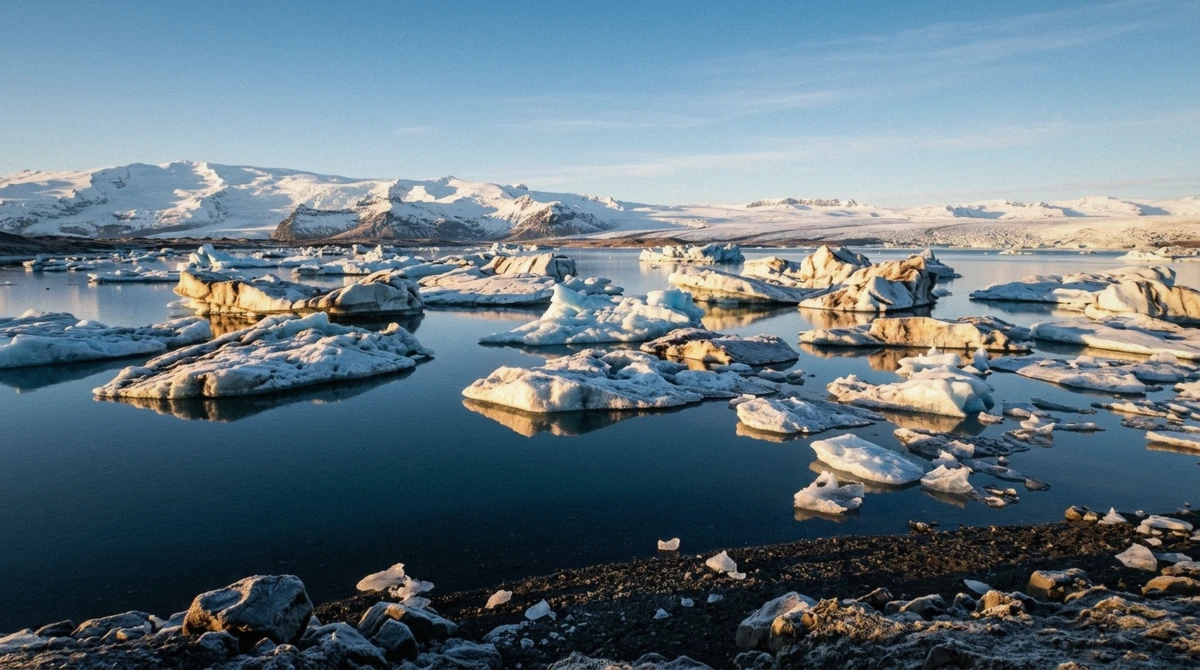
Quick answer
February and March give you the best combination: ice caves still open, heavy ice on Diamond Beach, aurora nights, and daylight long enough to be useful. June to August is the only window for boats and kayaks, at the cost of crowds and thin beach ice. September and October are the underrated middle, with boats still running and caves about to open. The one month to avoid is April, when the caves have closed and the boats have not started.
Key takeaways
- Amphibian boats run May to November, the Zodiac May to October, neither in deep winter
- Natural ice caves run about November to March and cannot be booked in summer
- Glacier hikes run all year, which makes them the safe booking in any month
- Kayaks run June to September and cancel first when the wind gets up
- Ice on Diamond Beach is heaviest November to March; July can be almost bare sand
- Coaches fill the car park 10:00 to 16:00. Parking runs until midnight, so early and late cost nothing extra
Seasons at a Glance
What runs when
One table settles most of the planning here.
| Activity | Season | Price from | Notes |
|---|---|---|---|
| Amphibian boat | May to November | 7,100 ISK | Every 30 minutes in June to August |
| Zodiac | May to October | 16,600 ISK | About 10 departures a day in high season |
| Kayak | June to September | $159.15 | First thing cancelled in wind |
| Glacier hike | All year | $134.10 | The reliable booking in any month |
| Ice cave | About November to March | $195 | Floods after rain, swaps to a crevasse walk |
| Northern lights | September to March | Free | Dark skies, no light pollution |
| Ice on Diamond Beach | Heaviest November to March | Free | Thin in midsummer |
The one-line version
Winter for caves, ice and auroras. Summer for boats, kayaks and light. Autumn if you want a bit of both and fewer people.
Best Season for Your Trip
If You want to go inside a blue ice cave
November to March, and book December and January weeks ahead. Nothing else in the year comes close.
If You want to be on the water
June to August for frequent departures, or May and September for the same boats with fewer people.
If You want northern lights over ice
September to March, sleeping within 30 minutes of the lagoon so you can go out when the sky clears.
If You are bringing children
June to August: boats take all ages, the weather is manageable and the day does not end in darkness.
If You want the best photographs
February and March. Low sun all day, heavy beach ice, and light that lasts rather than sprinting past.
If You want to avoid crowds above everything
Late September to early November, or any month before 09:00 and after 18:00.
Winter, November to March
What you get
The version that made the lagoon famous. Ice caves open inside Breiðamerkurjökull, the beach loads up with ice, and the sun stays so low that the light photographers wait for lasts most of the short day.
Aurora season runs right through it, and there is no light pollution here at all. Seals are at their most numerous, and orcas follow herring along the coast offshore.
What it costs you
No boats. Daylight of roughly 11:00 to 16:00 in December. And a road that closes at short notice, which is the single biggest planning constraint of a winter trip.
Sleep east of Vík if you have a morning booking, check road.is with breakfast, and keep a spare day. The full driving picture is in going without a tour.
- Ice caves: about November to March, book December and January early
- No amphibian, no Zodiac, no kayaks
- Daylight 11:00 to 16:00 in December, stretching fast by February
- Aurora possible on any clear night
- Road closures routine: road.is before you leave
Spring, April and May
April is the gap
The thinnest month of the year here. Ice caves close as the meltwater returns, the boats have not started, and beach ice is thinning. Glacier hikes carry the whole offer.
If April is your only window, book a hike and treat the lagoon as scenery rather than an activity.
May restarts everything
Amphibian and Zodiac both open in May, daylight is long, and the coaches have not arrived in numbers. Arctic terns come back and start nesting behind the beach, so keep moving through their patch.
May is the first month when a full day here works, and the last before summer pricing on beds.
Summer, June to August
Light and water
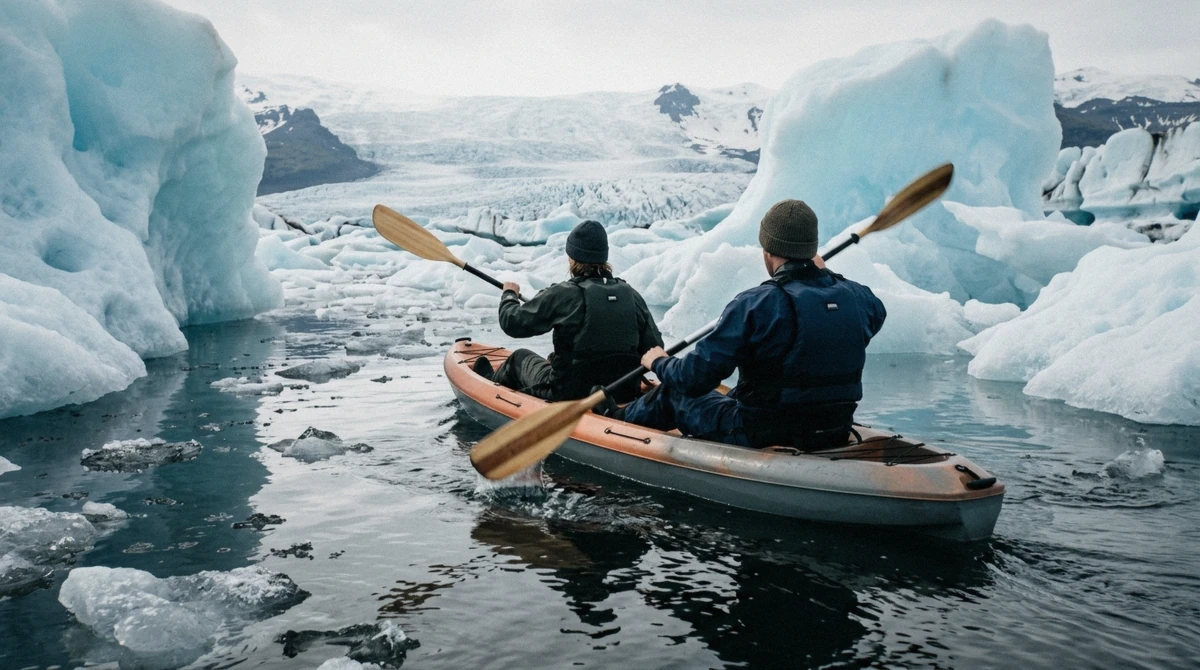
Boats every 30 minutes across four amphibians, the Zodiac ten times a day, kayaks running, and a sun that barely sets. Midnight on Fellsfjara in June is empty and beautifully lit, which almost nobody does.
Seals have pups. Daytime highs at Höfn, 80 km east, reach about 13°C, which still means a hat on the water.
The trade
Least ice on the beach, most people in the car park, and every bed within an hour booked months ahead at summer prices. No ice caves at all.
The fix is timing rather than avoidance: arrive before 09:00 or after 18:00 and the same place is quiet, since parking runs until midnight.
Autumn, September and October
The underrated window
Boats still run into October, the aurora season opens in September, beach ice starts returning, and the coach traffic thins after the first week of September.
Daylight is still long enough to drive from Reykjavík and see something the same afternoon, which stops being true by late November.
What to watch
Autumn storms arrive, and they cancel kayaks first and boats second. Prices on beds soften noticeably after the first week of September.
This is the season we would pick for a first visit if the ice caves were not the point.
What Actually Affects Conditions
Wind, not temperature
Almost every cancellation here is wind. It closes kayaks, then boats, then makes crampon work unsafe on the glacier. A cold, still February morning is a better day than a mild, gusty one.
The forecast to read is vedur.is, which publishes wind alongside temperature and the aurora outlook.
Rain and the caves
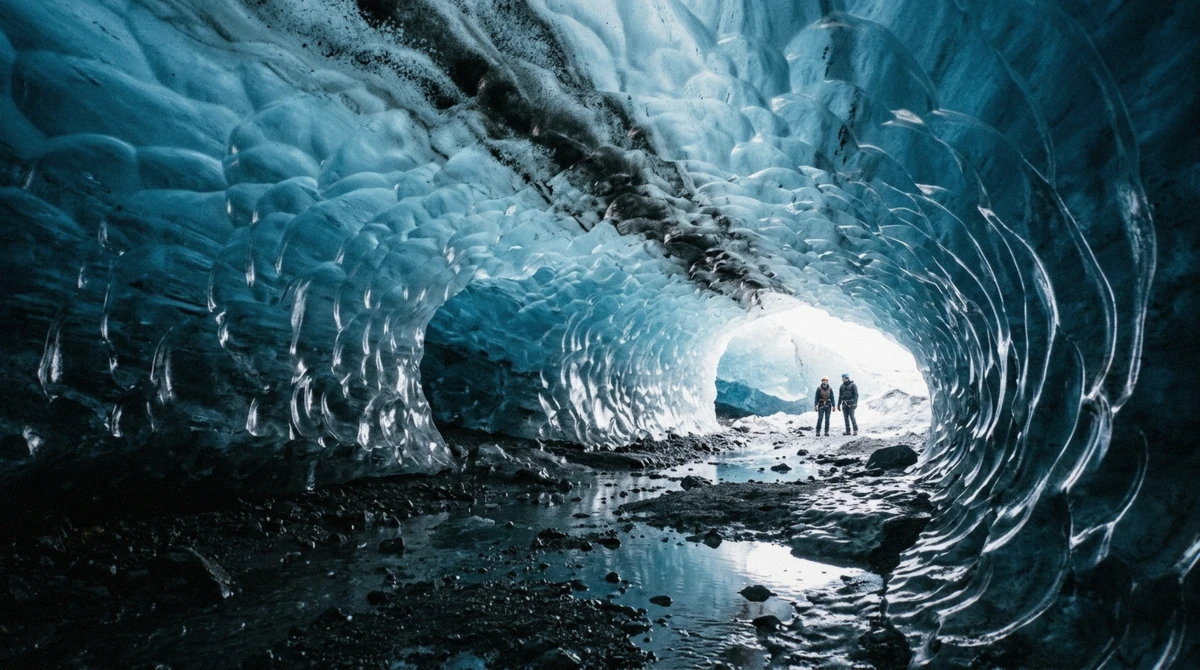
Heavy rain or a warm spell floods an ice cave, sometimes overnight, and guides substitute a glacier hike or a crevasse walk. Several reviewers in autumn 2025 got exactly that swap and rated the crevasse higher than the cave they booked.
That is the risk you are accepting when you book a cave in any month.
Tide and ice on the beach
Ice reaches Fellsfjara only when bergs escape the outlet and the surf pushes them back. Onshore wind and a big tide load the beach; a calm week can leave it bare even in January.
Nobody can forecast it more than a day or two ahead, which is why the month-by-month odds in the Diamond Beach guide are odds rather than a schedule.
Month by Month, Quickly
January and February
Deep winter. Caves at their most reliable, the beach loaded with ice, and northern lights on any clear night. Daylight stretches noticeably through February, from about five hours to seven.
Road closures peak in these months. Nobody should plan a same-day return from Reykjavík in January, and everyone should keep a spare day.
March and April
March is winter with more daylight, which is why we rate it alongside February as the best month here. Caves usually run to the end of it.
April is the quiet gap: caves closing, boats not yet started, ice thinning on the sand. Glacier hikes carry the month on their own.
May and June
Both boats restart in May, and by June there are departures at least every 30 minutes across four amphibians. Kayaks open in June. Arctic terns nest behind the beach from May, so keep moving through their patch.
June brings light that never really goes, which is worth using at both ends of the night.
July and August
Peak everything: peak crowds between 10:00 and 16:00, peak accommodation prices, peak boat frequency. Daytime highs at Höfn run about 13°C, and the wind off the ice cap still makes a hat sensible on the water.
Least ice on Diamond Beach, which surprises visitors who booked on the strength of a winter photograph.
September and October
Aurora season opens in September while the boats are still running, which is the only overlap of the year. Beach ice starts rebuilding, coach traffic thins after the first week, and beds soften in price.
October is the last month of the Zodiac, and storms start cancelling kayaks first.
November and December
Ice caves open, the amphibian finishes its season, and the light collapses to about five hours in December. What that short day gives you is low sun from open to close.
December books out for caves weeks ahead, partly because the number of daily departures shrinks with the daylight.
Best Time of Day
Before ten and after four
Coaches arrive from Reykjavík around 10:00 and are gone by 16:00. Outside those hours the car park empties and the lagoon sounds different, which is most of what people mean when they say a place is ruined by tourism.
Parking runs until midnight on one ISK 1,000 ticket, so an early start and a late return cost nothing extra.
Light
Low sun makes ice glow, so winter days are generous from open to close. In midsummer the equivalent light comes around midnight and again at four in the morning, and both are worth setting an alarm for.
Midday in July is the worst light and the busiest hour, which is exactly when most day tours arrive.
Crowds and Prices Through the Year
Where the money moves
Tour prices here move less than accommodation does. A glacier hike costs $134.10 in February and in July; a bed near the lagoon can double between them.
| Season | Crowds | Beds | What's open |
|---|---|---|---|
| December to February | Low, except New Year | Cheapest | Caves, hikes, auroras |
| March to April | Low | Cheap | Caves until March, hikes |
| May | Building | Rising | Boats restart, hikes |
| June to August | Heaviest 10:00 to 16:00 | Highest, booked months ahead | Boats, kayaks, hikes |
| September to October | Falling after week one | Softening | Boats, hikes, auroras from September |
| November | Low | Low | Caves open, amphibian ends |
Booking lead time
Ice caves in December and January: weeks ahead, because short daylight limits departures and the eight-person trips go first. Summer boats: ahead in July and August, walk-up outside peak week. Everything else: a day or two.
Daylight and Temperature by Season
The numbers people plan around
Temperatures are average daytime highs at Höfn, 80 km east, from Icelandic Met Office averages. Daylight is approximate for the middle of each period.
| Period | Daylight | Daytime high | What that means |
|---|---|---|---|
| December | About 5 hours | 2°C | One activity a day, and sleep close |
| February | About 8 hours | 2°C | Caves plus the beach in the same day |
| April | About 15 hours | 5°C | Long days, thinnest activity list |
| June | About 21 hours | 11°C | Two activities and a midnight walk |
| August | About 16 hours | 12°C | Warmest water conditions of the year |
| October | About 9 hours | 6°C | Boats and auroras in the same trip |
What the wind adds
Subtract five degrees for standing on the shore and another five for sitting in an open boat. That is the number to dress for, in every month.
It is also why kayaks cancel on days that look fine from the car park.
When the Weather Turns
What happens to your booking
Operators cancel and offer an alternative date or a full refund, and every tour on the main tours page carries free cancellation up to 24 hours before. Nobody runs a tour they think is unsafe.
What you cannot get back is the day, which is why one spare day in a South Coast itinerary is worth more than any single booking.
What still works in bad weather
The café. The shore path, if the wind is survivable. And the drive itself, when the road is open, since the sandur in a storm is a sight of its own.
When the road is closed, the answer is to stay put. Iceland's rescue teams spend a lot of winter retrieving visitors who decided the warning did not apply to them.
The pre-trip check
Run this the night before, whatever month you are here.
- road.is for closures on Route 1
- vedur.is for wind, which cancels more tours than cold does
- The aurora forecast, September to March
- Your booking's cancellation deadline, normally 24 hours
- Sunrise and sunset: 11:00 to 16:00 in December, all night in June
Timing Questions
When is the best time to visit Jökulsárlón?
February and March if you want ice caves, heavy beach ice and usable daylight. June to August if you want boats and kayaks. September and October if you want both boats and the start of aurora season with fewer people.
When can you see the ice caves?
Natural caves inside Breiðamerkurjökull run about November to March. They are formed by summer meltwater and stand only while it is cold, so there is no summer equivalent here. Rain or a warm spell can flood one overnight, in which case guides substitute a glacier hike or a crevasse walk.
When do the boat tours run?
The amphibian runs May to November and the Zodiac May to October, with departures at least every 30 minutes in June, July and August across four boats. Neither runs from about December to April, whatever the weather does.
When is the worst time to visit Jökulsárlón?
April. Ice caves have closed, the boats have not started, and the beach ice is thinning. Glacier hikes still run, so the trip is not wasted, but it is the one month when the lagoon offers least.
When can you see the northern lights at the lagoon?
About September to March on a clear night. There is no light pollution here, so the odds are as good as anywhere in Iceland, with ice in the foreground. Check the aurora forecast at vedur.is and bring a torch.
Is it worth visiting in winter with so little daylight?
Yes, and the short day is less limiting than it sounds because the light stays low and usable from open to close rather than going flat at midday. Plan one activity per day rather than two, and sleep close.
How far ahead should I book?
Ice caves in December and January need weeks. Summer boats need booking in July and August but rarely outside peak week. Glacier hikes and kayaks usually take a day or two of notice, and everything carries free cancellation to 24 hours before.